
Scars hidden. Confidence restored.
Scalp micropigmentation blends surgical scars, injury scars, and hair transplant strip scars into the surrounding scalp — naturally and permanently.
What Is Scar Camouflage?
SMP doesn't just treat hair loss — it erases its evidence.
Whether you've had a hair transplant that left a visible strip scar, a surgery that marked your scalp, or an injury that's affected your confidence, SMP can deposit pigment directly into and around the scar tissue to match your natural scalp tone. The result is a scar that blends seamlessly — virtually invisible to the eye.
Scars We Treat
Every scar is different. Every treatment is tailored.
FUT Strip Scars
Follicular Unit Transplantation (FUT) leaves a linear scar across the back of the scalp. Even with a short haircut, this scar can be clearly visible. SMP deposits pigment into the scar tissue to replicate the appearance of hair follicles, making the scar blend with the surrounding shaved scalp.
Most common request from hair transplant clients
FUE Punch Scars
Follicular Unit Extraction (FUE) leaves small circular punch marks scattered across the donor area. While less obvious than FUT scars, they can still be visible at shorter lengths. SMP fills each punch mark with a matching pigment dot, restoring a uniform scalp appearance.
Ideal for clients who keep their hair very short
Surgical Scars
Scars from scalp surgeries — including cyst removal, skin grafts, or reconstructive procedures — can disrupt the natural hair pattern and leave noticeable marks. SMP works within and around the scar to restore visual continuity across the scalp.
Assessed individually — results depend on scar age and texture
Injury & Trauma Scars
Accidents, burns, and other trauma can leave irregular scarring on the scalp. SMP can camouflage these areas by matching the surrounding skin tone and simulating the appearance of hair follicles, significantly reducing the visual contrast between scar and scalp.
Scar must be fully healed — minimum 12 months post-injury
The Process
How scar camouflage works
Scalp Assessment
Bonnie reviews your scar type, age, texture, and skin tone to determine the best approach. A personalised treatment plan is created — including the number of sessions required and realistic outcome expectations.
Pigment Matching
Scar tissue holds pigment differently to normal skin. Bonnie carefully selects and blends pigments to match your exact scalp tone, accounting for how the colour will settle into the scar over time.
Treatment Sessions
Pigment is applied in fine, layered passes across the scar area. Most scar camouflage treatments require 2–3 sessions spaced 4–6 weeks apart to build the right density and ensure even coverage.
Healed Result
Once fully healed, the scar blends naturally into the surrounding scalp. The result is durable and low-maintenance — no daily effort required to keep it looking its best.

Real Results
Before & after — real scar camouflage results
All results shown are real Scalp Micro NZ clients. Individual outcomes vary by scar type, age, skin tone, and treatment plan.
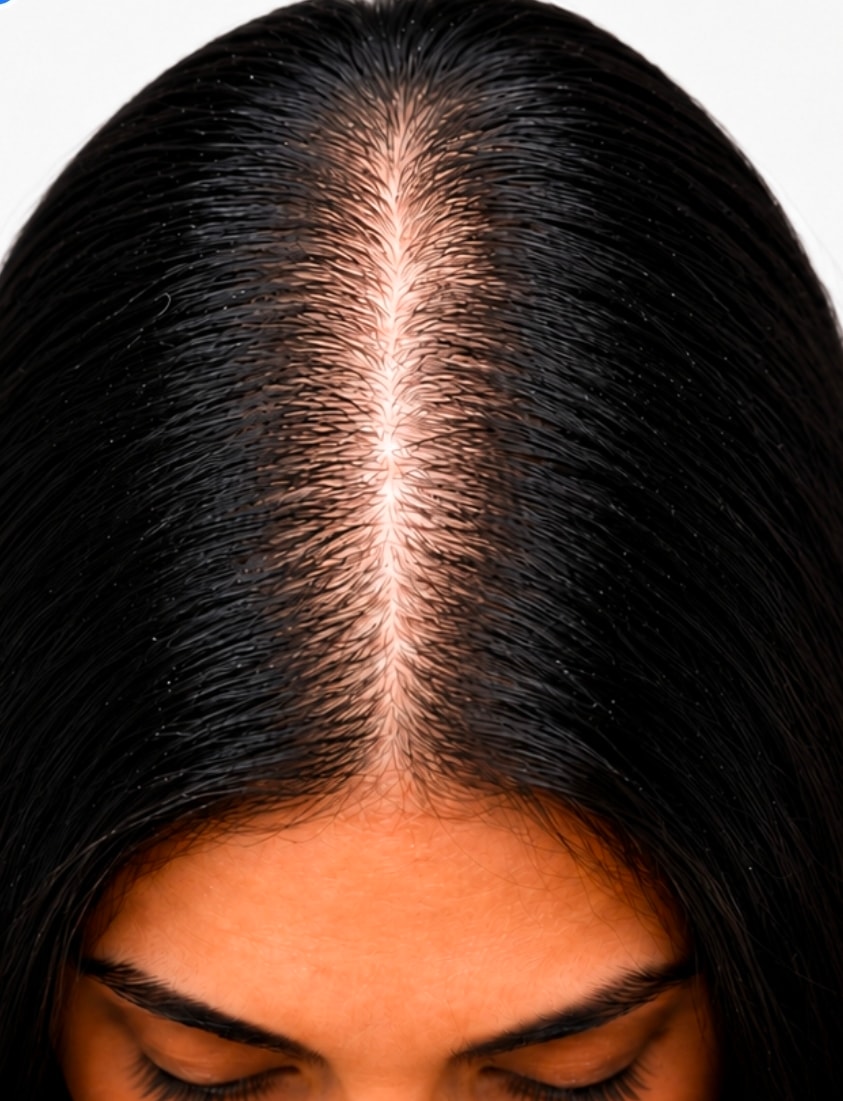 Before
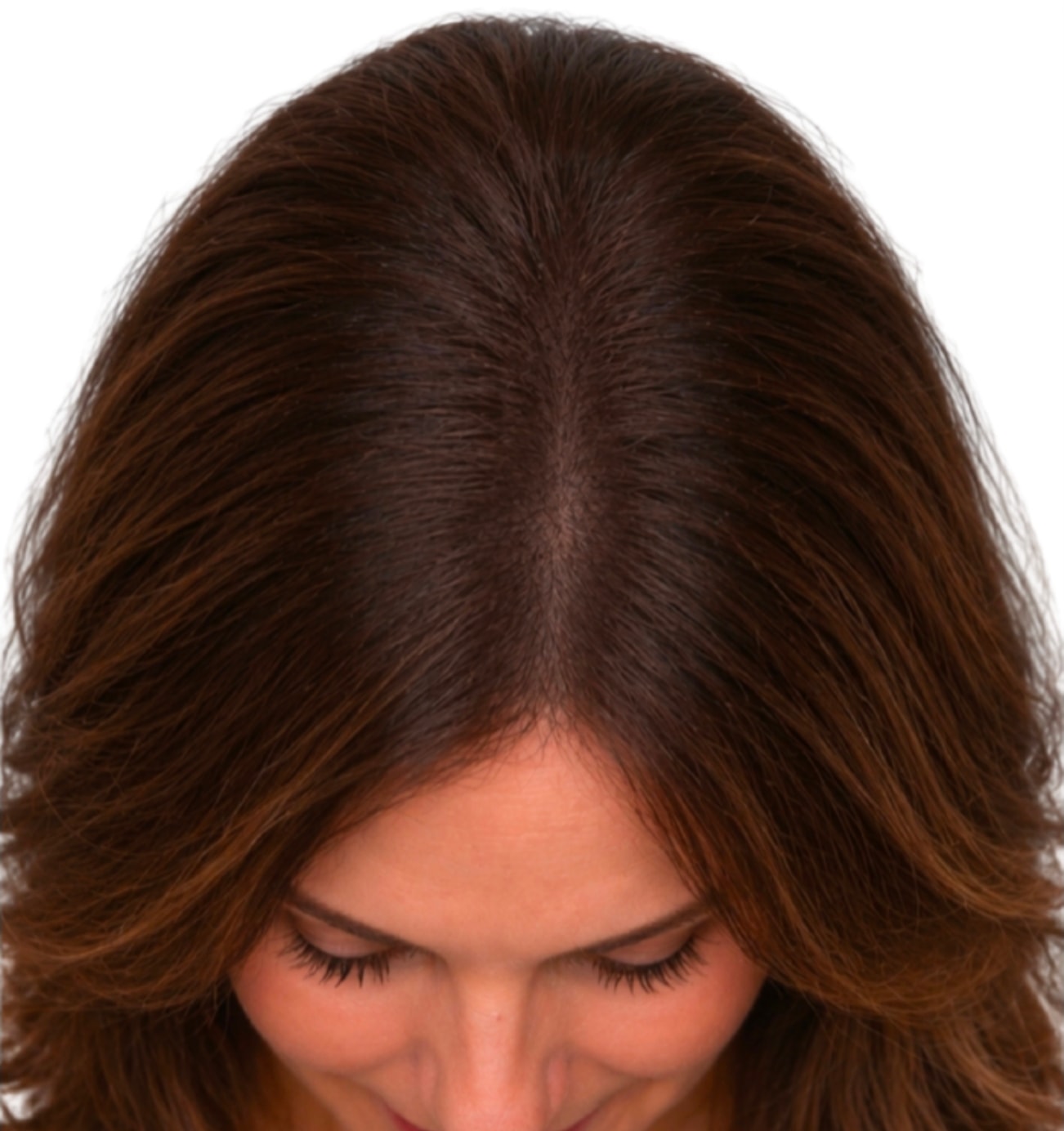 After
FUT Strip Scar · 2 sessions
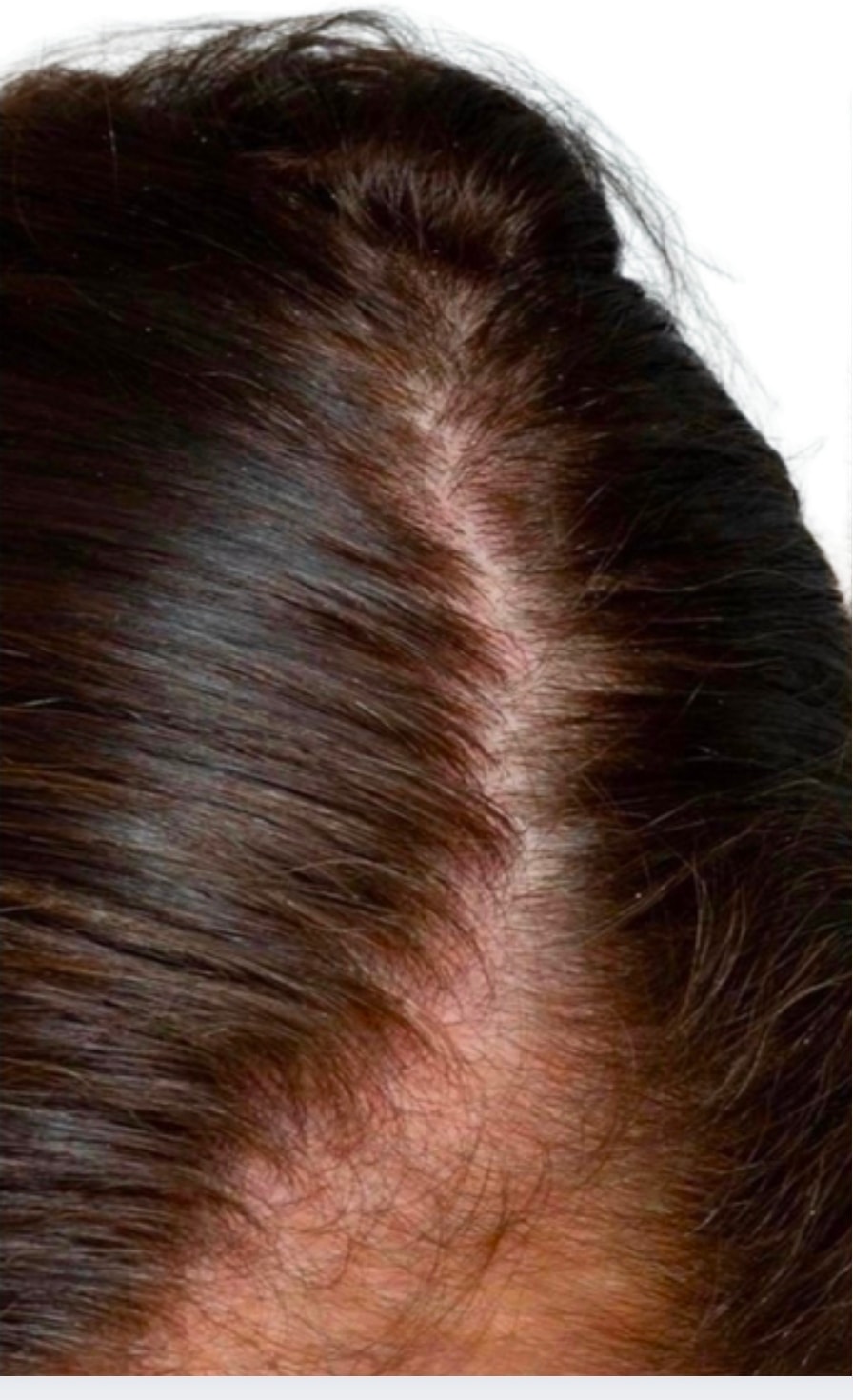 Before
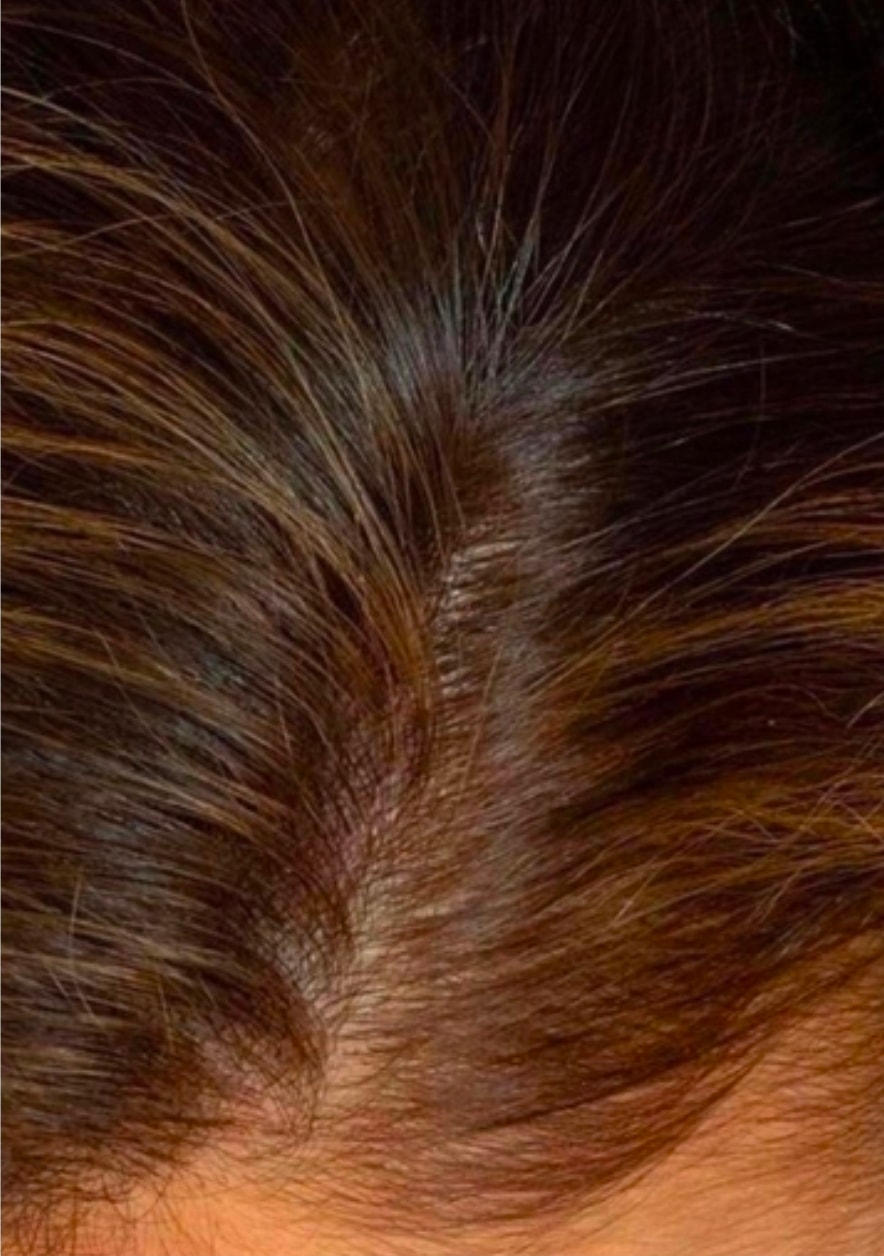 After
Surgical Scar · 3 sessions
Common Questions
Everything you need to know
Ready to discuss your scar camouflage options?
Begin a complimentary online scalp assessment and receive a personalised treatment recommendation within 12 hours.
Complimentary consultation · Response within 12 hours